
 By Flenn May
Service Animal Rights Under Attack: New Laws Threaten Access
Introduction
Imagine navigating the world with a silent, furry partner who helps you manage a disability. This isn’t just a pet; it’s a highly trained service animal, your lifeline to independence and a better quality of life. Now, imagine that lifeline being threatened.
That’s the stark reality facing many individuals with disabilities as new laws and increasingly restrictive interpretations of existing laws are chipping away at the established rights of service animal users. What was once a relatively straightforward process of accessing public spaces with a service animal is becoming a minefield of confusion, discrimination, and legal battles. This isn’t just an inconvenience; it’s a direct assault on the autonomy and well-being of people who rely on these animals for their daily functioning.
The Slow Erosion of Rights: A Death by a Thousand Cuts?
The core issue lies in the ambiguity surrounding service animal regulations, particularly the definition of a “service animal” and the acceptable documentation required. The Americans with Disabilities Act (ADA) clearly defines a service animal as a dog (or in some cases, a miniature horse) individually trained to perform specific tasks for a person with a disability. However, the lack of a centralized registry and the rise of “emotional support animals” (ESAs), which require no specific training and are not covered by the ADA in most public access situations, have created a perfect storm of misunderstanding and abuse.
This confusion is being exploited. Some businesses, often misinterpreting or deliberately ignoring the law, are imposing increasingly strict, and often illegal, requirements on service animal users. Demanding excessive documentation, interrogating users about their disability, or even outright denying access based on unfounded suspicions are becoming increasingly common. We’ve seen cases where veterans with PTSD, whose service dogs are trained to detect anxiety attacks, are refused entry to restaurants and stores. Individuals with diabetes, relying on dogs trained to detect dangerous blood sugar fluctuations, are facing similar hurdles.
The short-term impact of these actions is devastating. Imagine being denied access to a grocery store because a cashier questions the legitimacy of your service dog. This isn’t just a minor inconvenience; it’s a humiliating and isolating experience. It can force individuals to limit their activities, impacting their mental health, their ability to maintain employment, and ultimately, their independence.
But the long-term implications are even more concerning. As access becomes more difficult, individuals may be less likely to use their service animals in public, further isolating them and reinforcing societal biases against people with disabilities. Furthermore, these restrictive laws can discourage individuals from acquiring service animals in the first place, preventing them from accessing a vital tool for improving their lives. The cumulative effect is a society that is less inclusive, less accessible, and less understanding of the needs of people with disabilities.
Fighting Back: Practical Solutions for a More Inclusive Future
While the situation may seem daunting, there are practical steps we can take to protect and strengthen the rights of service animal users. The key lies in a multi-pronged approach, focusing on education, advocacy, and legal action.
Here are some solutions and approaches to consider:
- Education is Empowerment:
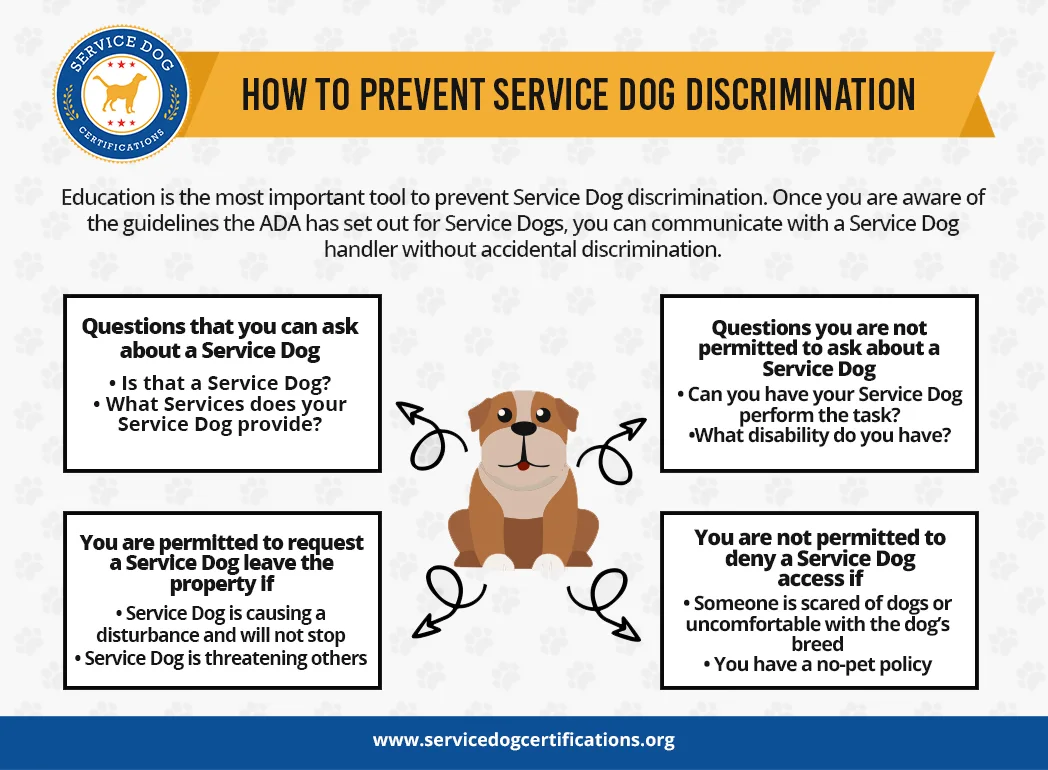
- Know Your Rights: The first step is to understand your rights under the ADA. Familiarize yourself with the definition of a service animal and the types of questions businesses are legally allowed to ask. The ADA National Network is an excellent resource for this information.
- Educate Others: Be prepared to politely but firmly educate businesses and individuals who are misinformed about service animal laws. Carry a copy of the ADA guidelines with you, or have a link to the relevant information readily available on your phone.
- Community Outreach: Organize workshops or presentations in your community to educate businesses and the public about service animal etiquette and the importance of accessibility.
Example: A local disability advocacy group partnered with the Chamber of Commerce to host a workshop for businesses on ADA compliance, specifically addressing service animal regulations. This helped to clarify misconceptions and foster a more welcoming environment for service animal users.
- Document, Document, Document:
- Keep Records: If you experience discrimination, meticulously document the incident. Note the date, time, location, names of individuals involved, and a detailed account of what happened.
- Gather Evidence: If possible, collect any evidence, such as photos, videos, or witness statements. This will be invaluable if you choose to file a complaint or pursue legal action.
- Consider a Service Animal ID (with Caution): While the ADA does not require service animals to be registered or certified, some individuals find that carrying a simple identification card (obtained from a reputable training organization, not an online registry) can help to avoid confrontations. However, be aware that such cards are not legally binding and should not be used as a substitute for understanding your rights.
- Advocate for Change:
- Contact Legislators: Write letters or call your elected officials to advocate for stronger enforcement of ADA laws and to oppose legislation that would restrict the rights of service animal users.
- Support Disability Advocacy Organizations: Join or support organizations that are working to protect the rights of people with disabilities. These organizations often engage in lobbying, litigation, and public awareness campaigns.
- Share Your Story: Share your personal experiences with discrimination to raise awareness and put a human face on the issue. This can be done through social media, letters to the editor, or by speaking at public forums.
Example: A coalition of disability advocacy groups successfully lobbied for stricter enforcement of ADA laws in their state, resulting in increased penalties for businesses that discriminate against service animal users.
- Legal Recourse:
- File a Complaint: If you experience discrimination, you have the right to file a complaint with the U.S. Department of Justice or your state’s disability rights agency.
- Consult with an Attorney: If you believe your rights have been violated, consult with an attorney specializing in disability law. They can advise you on your legal options and help you navigate the legal process.
Example: A woman with a visual impairment successfully sued a restaurant that repeatedly denied her entry with her guide dog. The lawsuit resulted in a court order requiring the restaurant to comply with ADA regulations and to provide training to its employees on service animal etiquette.
Alternative Approaches:
- Collaborative Problem-Solving: Before resorting to legal action, consider attempting to resolve the issue through collaborative problem-solving. Contact the business owner or manager and explain your concerns. Often, misunderstandings can be resolved through open communication.
- Mediation: Consider using a neutral third party mediator to help facilitate a conversation between you and the business owner or manager. Mediation can be a less adversarial and more cost-effective way to resolve disputes.
A Future of Access and Inclusion
The fight to protect the rights of service animal users is a fight for equality, independence, and dignity. While the challenges are significant, they are not insurmountable. By educating ourselves, advocating for change, and utilizing the legal tools available to us, we can create a society where individuals with disabilities are fully included and valued.
Remember, every action, no matter how small, can make a difference. Share this article, educate a friend, contact your legislator, or support a disability advocacy organization. Together, we can ensure that service animal users can continue to access the world with the support and companionship they need. Let’s move forward with optimism and a renewed commitment to building a truly accessible and inclusive society for all. The journey may be long, but the destination – a world where disability is not a barrier to participation – is worth fighting for.