
 By Flenn May
 “`html
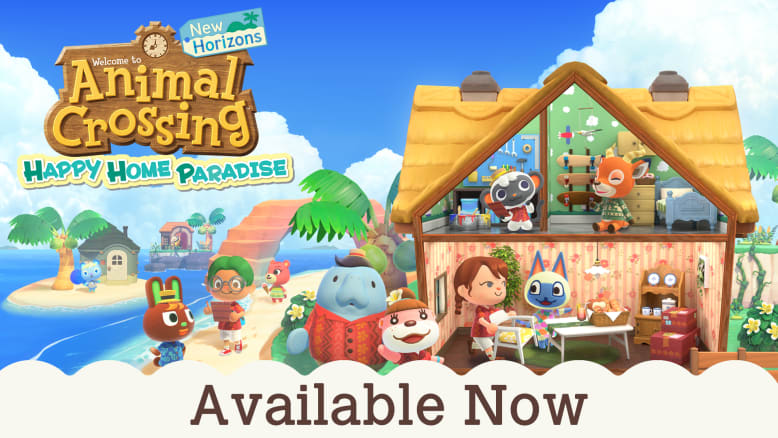
Animal Crossing Update: Paradise Lost?
Introduction
Remember the unbridled joy of first landing on your deserted island in Animal Crossing: New Horizons? The thrill of crafting your first flimsy fishing rod, the satisfaction of paying off Tom Nook (eventually!), and the pure escapism of building your own personal paradise? For many, Animal Crossing became a lifeline, a digital sanctuary during uncertain times. But lately, a nagging question lingers in the air, a subtle discordance in the otherwise harmonious symphony of island life: is Animal Crossing losing its luster? Is paradise, dare we say, being lost?
It’s not that the game is inherently broken. The vibrant visuals are still captivating, the quirky villagers still charming, and the core gameplay loop remains surprisingly addictive. However, a closer look reveals a growing sense of stagnation, a feeling that the once-limitless possibilities are starting to feel… limited. This creeping dissatisfaction, fueled by a combination of factors, has the potential to impact both the short-term enjoyment and long-term viability of the beloved game.
The Weeds of Discontent: Understanding the Problem
So, what’s causing this feeling of “paradise lost?” Several key factors contribute to this creeping ennui:
- The Content Drought: After a flurry of updates following the game’s launch, the well of new content seems to have run dry. Seasonal events, once highly anticipated, have become predictable and repetitive. The lack of truly game-changing additions leaves players feeling like they’re tilling the same soil over and over again.
- The Grinding Game: Let’s be honest, some aspects of Animal Crossing can feel like a chore. From the endless search for specific bugs and fish to the daily routine of watering flowers, the grind can sometimes overshadow the fun. This is particularly true for long-term players who have already amassed a significant collection of items and villagers.
- The Villager Paradox: While the villagers are undeniably adorable, their limited dialogue and predictable behavior can lead to a sense of detachment. The dream of forming genuine connections with these pixelated personalities often falls short, leaving players feeling like glorified landlords rather than true friends.
- The Island Design Dilemma: The initial freedom of island design is exhilarating, but as players strive for perfection, they often fall into the trap of meticulously planning every detail. This can lead to burnout and a feeling that the game has become more of a design project than a relaxing escape.
- Multiplayer Monotony: Visiting other players’ islands, once a source of inspiration and connection, can become repetitive as many islands start to look similar, often heavily influenced by trends and online guides. This lack of unique expression diminishes the sense of discovery and community.
Short-Term Pains, Long-Term Gains: The Impact of Inaction
The short-term effects of this growing dissatisfaction are clear: players are logging in less frequently, interest in the game is waning, and the once-vibrant online communities are starting to quiet down. This decline in player engagement can have significant long-term consequences.
If Nintendo doesn’t address these issues, Animal Crossing: New Horizons risks becoming a relic of the past, a fondly remembered game that ultimately failed to live up to its full potential. The momentum built during the initial surge of popularity will be lost, and future installments in the franchise may struggle to recapture the magic. Moreover, it risks damaging the reputation of the entire Animal Crossing brand.
Reclaiming Paradise: Practical Solutions for a Brighter Tomorrow
The good news is that this “paradise lost” isn’t a foregone conclusion. There are several practical solutions that can breathe new life into Animal Crossing: New Horizons and ensure its continued success. These solutions fall into two categories: those within Nintendo’s power and those individual players can implement themselves.
Nintendo’s Role: Revitalizing the Island
- Meaningful Content Updates: Forget about minor tweaks and seasonal reskins. What players crave are substantial content updates that introduce new gameplay mechanics, characters, and activities. Imagine new villager personalities, crafting recipes beyond furniture, or even a new area to explore on the existing island.
- Revamping Villager Interactions: Deeper villager interactions would enhance the emotional connection and make island life feel more dynamic. This could involve branching dialogue trees, personalized quests, or even the ability to develop rivalries or romances with villagers.
- Reducing the Grind: Implementing features that streamline repetitive tasks, such as automated watering systems or faster crafting times, would alleviate the grind and allow players to focus on the more enjoyable aspects of the game.
- Focus on Unique Items: Introducing new items, furniture sets, or clothing styles could reignite the passion for collecting and designing, provided they stray from the usual aesthetics and offer something unique.
Player Empowerment: Reimagining Island Life
Even without major updates, individual players can take steps to reignite their passion for Animal Crossing:
- Embrace the Imperfect: Instead of striving for a perfectly manicured island, embrace the natural chaos and imperfections that make your island unique. Let the weeds grow wild in designated areas, create hidden pathways, and experiment with unconventional landscaping.
- Focus on Storytelling: Use your island as a canvas to tell a story. Create themed areas that reflect your interests, build elaborate sets for photoshoots, and invite other players to participate in your narrative.
- Challenge Yourself: Set personal challenges to keep the game fresh. Try completing the museum collection with limited resources, hosting themed parties for your villagers, or designing a completely new island layout from scratch.
- Reimagine Villager Roles: Instead of solely relying on pre-set character traits, create backstories and personalities for your villagers. Give them jobs, assign them roles in your island community, and interact with them based on their imagined personas.
- Themed Islands: Choose a specific theme or style for your island and design everything around that concept. For example, a historical theme, a fantasy theme, or even a minimalist design can completely change the way you approach the game.
Alternative Approaches: Drawing Inspiration from Success Stories
Other games have successfully navigated similar periods of content drought and player fatigue. For example, Stardew Valley continues to thrive thanks to its dedicated community and modding scene, which allows players to create and share their own content. Nintendo could explore similar avenues, such as offering limited modding tools or encouraging community-driven events and challenges.
Minecraft is another excellent example. Constant updates, community events, and user-generated content have kept players engaged for over a decade. The key is to foster a sense of collaboration and creativity, empowering players to shape the game’s future.
Conclusion: A New Dawn for Animal Crossing
The feeling of “paradise lost” in Animal Crossing: New Horizons is a real concern, but it’s not an insurmountable obstacle. By implementing thoughtful content updates, fostering community engagement, and empowering players to embrace their creativity, Nintendo can revitalize the game and ensure its continued success.
Ultimately, the future of Animal Crossing depends on our collective willingness to embrace change, challenge the status quo, and reimagine the possibilities of island life. Let’s take action! Whether it’s sending feedback to Nintendo, sharing our innovative island designs online, or simply embracing a more relaxed and playful approach to the game, we all have a role to play in reclaiming paradise. The potential for a brighter tomorrow is there, ripe for the picking. Let’s cultivate it together.
“`