
 By Flenn May
 “`html
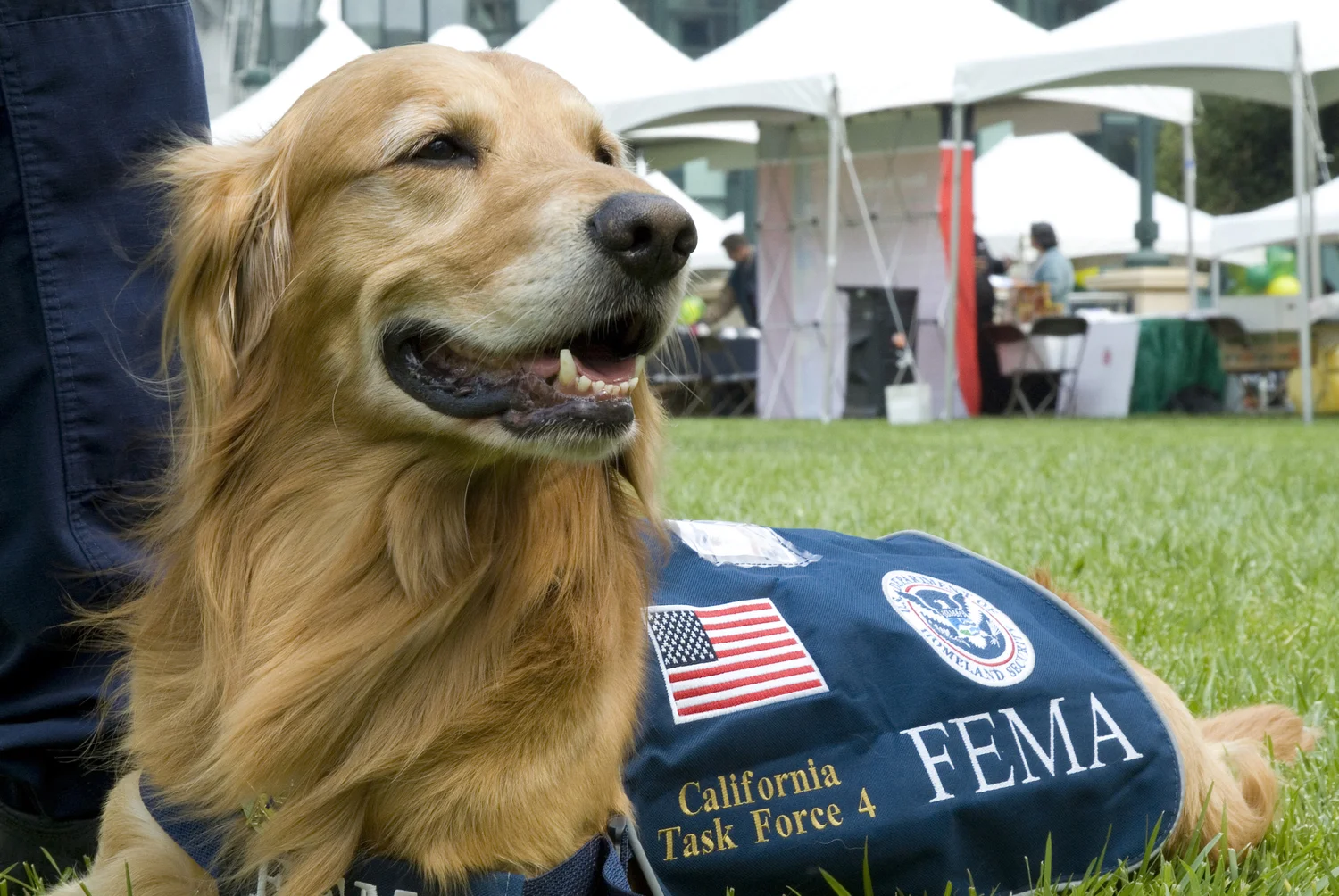
Service Animals Under Attack: Rights Eroding Nationwide
Introduction
Ever tried navigating a crowded grocery store? Now imagine doing it while visually impaired, relying on your guide dog to avoid obstacles and keep you safe. Or picture managing debilitating anxiety in a bustling airport, your psychiatric service dog the only thing preventing a full-blown panic attack. Service animals aren’t just pets; they’re essential tools for individuals with disabilities, providing independence, safety, and a better quality of life. But what happens when their right to access public spaces is challenged?
That’s the reality many service animal handlers are facing. Across the nation, a disturbing trend is emerging: the rights of service animals are being eroded, leaving handlers vulnerable and isolated. What was once a relatively straightforward landscape of legal protections is becoming increasingly fraught with challenges, misunderstandings, and outright discrimination. This isn’t just about denying a dog access; it’s about denying a person their independence and fundamental rights.
The Problem: More Than Just a Nuisance
The Americans with Disabilities Act (ADA) clearly outlines the rights of service animal handlers. Businesses and organizations open to the public must generally allow service animals to accompany individuals with disabilities. Sounds simple, right? Unfortunately, the reality is far more complex.
One major issue is the rise of “fake” service animals. People misrepresenting their pets as service animals, often to avoid pet fees or gain access to restricted areas, are diluting the public’s understanding of what a real service animal is. This creates skepticism and mistrust, making it harder for legitimate handlers to be taken seriously.
But the problem goes deeper than just misrepresentation. Even when a service animal is clearly legitimate, handlers are facing increased scrutiny, invasive questioning, and outright denial of access. Stories abound: a veteran with PTSD being turned away from a restaurant, a child with autism being barred from a play area because of their assistance dog, a visually impaired individual facing constant challenges entering taxis.
Short-Term Impacts: Daily Frustrations, Daily Barriers
The immediate impact of this erosion is felt most acutely by the handlers themselves. Imagine facing daily battles just to access basic necessities like groceries, medical appointments, or public transportation. This constant need to defend their rights leads to:
- Increased Stress and Anxiety: The anticipation of potential conflict becomes a constant source of stress, exacerbating the very conditions the service animal is meant to mitigate.
- Social Isolation: Fearing discrimination, handlers may withdraw from social activities, leading to loneliness and decreased quality of life.
- Financial Burden: Legal challenges, alternative transportation costs, and lost work time due to access denials can create a significant financial strain.
- Compromised Safety: Being denied access to a service animal can put the handler’s safety at risk, especially in situations where the animal provides critical support for medical conditions or mobility issues.
Long-Term Impacts: A Society That Excludes
The long-term consequences of eroding service animal rights are even more alarming. If unchecked, this trend could lead to:
- Weakening of the ADA: Continued challenges and inconsistent enforcement of the ADA could undermine the entire framework of disability rights.
- Discrimination Normalization: When denying access to service animals becomes commonplace, it sends a message that people with disabilities are not fully welcome in public spaces.
- Reduced Independence: Individuals who rely on service animals may become increasingly dependent on others, limiting their ability to live independently.
- Stigmatization and Misunderstanding: A lack of public education and awareness perpetuates negative stereotypes and misconceptions about service animals and their handlers.
What Can Be Done? Practical Solutions for a More Inclusive Future
The good news is that the situation isn’t hopeless. By taking proactive steps, we can protect the rights of service animal handlers and foster a more inclusive society. Here are some practical solutions:
- Education is Key: Public awareness campaigns are crucial for dispelling myths and educating the public about the role of service animals. Partnering with disability advocacy groups, businesses, and educational institutions can help reach a wider audience. Informational brochures, online resources, and even short training sessions for business owners can make a significant difference.
- Example: The Assistance Dogs International (ADI) provides resources and certification programs to ensure that service animals meet the highest standards of training and behavior.
- Strengthen Enforcement: Stricter penalties for misrepresenting pets as service animals can deter fraudulent claims and protect the integrity of the system. Furthermore, clear guidelines and consistent enforcement of the ADA by government agencies are essential.
- Case Study: Some states have implemented laws that specifically address the issue of fraudulent service animals, imposing fines and other penalties on those who misrepresent their pets.
- Empower Handlers: Provide service animal handlers with the tools and resources they need to advocate for their rights. This could include legal assistance, training on how to handle discrimination, and support groups where they can share experiences and learn from each other.
- Resource: The Disability Rights Education & Defense Fund (DREDF) offers legal resources and advocacy training for individuals with disabilities, including service animal handlers.
- Promote Dialogue: Encourage open communication between businesses, service animal handlers, and disability advocacy groups. Creating forums for discussion can help address concerns, resolve misunderstandings, and build stronger relationships.
- Technology and Innovation: Develop technological solutions to verify service animal status and streamline access to public spaces. Digital identification cards, QR codes, or even microchipping could help reduce ambiguity and prevent fraudulent claims. However, it’s crucial to ensure that any technological solutions are accessible and do not create additional barriers for handlers.
- Support Responsible Breeding and Training Programs: Supporting reputable organizations like ADI or IGDF to ensure that dogs are bred for service work to reduce the chances of dogs being unable to handle the work of being a service animal.
Alternative Approaches: A Toolkit for Change
No single solution will solve the problem overnight. A multifaceted approach that combines education, enforcement, empowerment, and innovation is needed. Here are some alternative approaches to consider:
- Community Partnerships: Collaborate with local businesses to create “service animal-friendly” zones or events, providing handlers with a welcoming and supportive environment.
- Advocacy Campaigns: Launch public awareness campaigns that highlight the stories and experiences of service animal handlers, humanizing the issue and fostering empathy.
- Legislative Action: Advocate for stronger state and federal laws that protect the rights of service animal handlers and hold businesses accountable for discriminatory practices.
A Call to Action: Your Role in Protecting Service Animal Rights
The erosion of service animal rights is a serious issue that demands our attention and action. By educating ourselves and others, supporting advocacy efforts, and demanding greater accountability, we can create a more inclusive and accessible society for everyone. Don’t be a bystander. Speak up when you witness discrimination, support businesses that are welcoming to service animals, and advocate for policies that protect the rights of handlers.
Remember, service animals are not a privilege; they are a necessity for individuals with disabilities. By standing up for their rights, we are standing up for equality, independence, and a society where everyone has the opportunity to thrive. Let’s work together to ensure that service animals are welcomed and respected in all aspects of community life. The time to act is now.
“`