
 By Flenn May
“`html
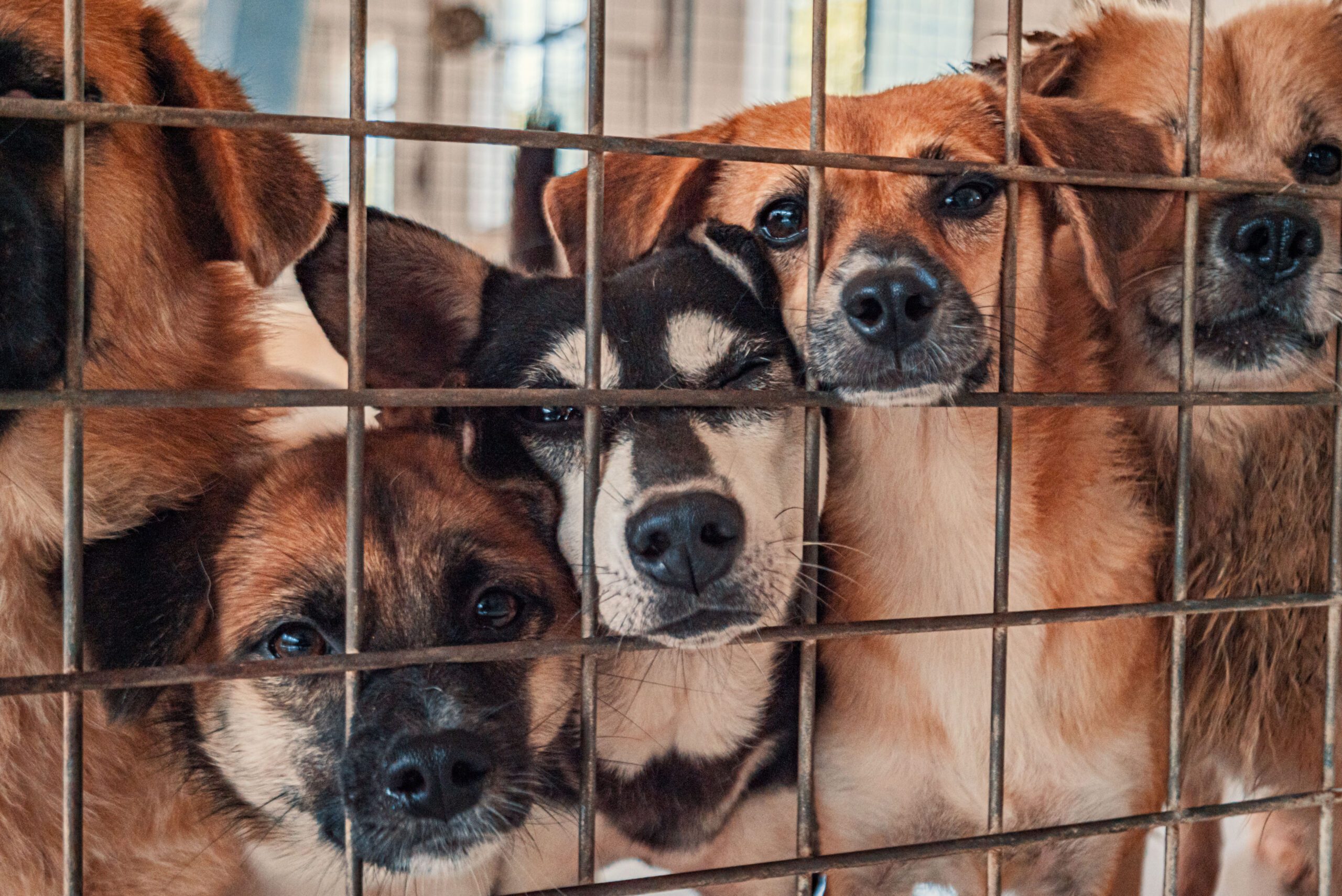
Service Animal Abuse: A Crisis Ignored?
Introduction
Ever stop and think about the incredible responsibility a service animal carries? They’re not just cute companions; they’re lifelines for people with disabilities. They guide the blind, alert to seizures, calm anxiety, and perform countless other vital tasks. But what happens when these dedicated animals become victims themselves? What happens when the very beings offering support are met with cruelty and neglect? Is service animal abuse a hidden crisis we’re failing to address?
It’s a question that deserves our attention, because the truth is, abuse of service animals is more prevalent than many realize. And the consequences, for both the animal and the handler, are devastating. We’re not just talking about physical harm (though that certainly occurs). We’re talking about a deep betrayal, a violation of trust, and a serious disruption of independence and well-being.
More Than Just a Dog: The Stakes Are High
To truly understand the gravity of service animal abuse, we need to appreciate the unique bond and dependence involved. These animals aren’t pets; they are highly trained partners.
What Does Abuse Look Like? It’s More Than You Think.
We often think of abuse as overt physical violence, and that certainly happens. But service animal abuse can take many forms, some of which are surprisingly subtle:
- Physical Abuse: Hitting, kicking, or otherwise inflicting physical pain. This is perhaps the most obvious, but sadly, it does occur.
- Neglect: Failing to provide adequate food, water, shelter, or veterinary care. This can be unintentional, due to a lack of knowledge or resources, but the impact is the same.
- Emotional Abuse: Yelling at, intimidating, or isolating the animal. Remember, these are highly sensitive creatures who form deep bonds with their handlers. Constant negativity can have a devastating impact.
- Overwork/Exploitation: Demanding too much from the animal, ignoring signs of fatigue or illness, or using them for tasks they aren’t trained for.
- Denial of Rest: Not allowing the animal adequate rest breaks.
- Unethical Training Practices: Aversive training techniques that can harm the animal.
- Public Interference: Strangers distracting, petting, feeding, or otherwise interfering with a service animal while it’s working. While seemingly innocuous, this can disrupt the animal’s focus and potentially endanger the handler.
- Fraudulent Representation: Presenting a pet as a service animal when it lacks the proper training and certification. This not only devalues the work of legitimate service animals but can also create dangerous situations for those who rely on them.
What Can We Do? Practical Solutions and Approaches
The good news is, we *can* make a difference. Addressing service animal abuse requires a multi-pronged approach, focusing on prevention, awareness, and accountability.
- Education is Key: The more people understand the role of service animals, the less likely they are to interfere or mistreat them.
- Example: Schools could incorporate lessons on service animal etiquette into their curriculum.
- Action: Share informative articles and videos on social media. Talk to your friends and family about the importance of respecting service animals.
- Strengthen Laws and Enforcement: Many jurisdictions lack specific laws protecting service animals from abuse. We need to advocate for stronger legislation and ensure that existing laws are effectively enforced.
- Example: Some states have laws that specifically address intentionally harming a service animal, but penalties are often lenient. Advocate for stricter penalties and more proactive enforcement.
- Action: Contact your local representatives and express your support for stronger service animal protection laws.
- Promote Ethical Training Practices: Ensure that service animal training organizations adhere to humane and ethical methods. Avoid those that rely on aversive techniques.
- Example: Look for training programs that emphasize positive reinforcement and focus on building a strong bond between the animal and handler.
- Action: Research service animal training organizations and support those with ethical practices.
- Support Handler Resources: Provide resources and support for handlers who may be struggling to care for their service animals or who are experiencing abuse.
- Example: Offer financial assistance for veterinary care or respite care for handlers who need a break.
- Action: Donate to organizations that support service animal handlers or volunteer your time to help them.
- Report Suspected Abuse: If you witness or suspect service animal abuse, don’t hesitate to report it to the appropriate authorities.
- Example: Contact your local animal control agency, police department, or humane society.
- Action: Familiarize yourself with the reporting procedures in your area and be prepared to provide detailed information.
Alternative Approaches: Tailoring Solutions to Fit
Not all solutions are one-size-fits-all. Here are some alternative approaches:
- Community Partnerships: Collaborate with local businesses to create “service animal friendly” environments, where handlers feel supported and respected.
- Peer Support Groups: Create safe spaces for service animal handlers to share their experiences, offer support, and advocate for change.
- Public Awareness Campaigns: Launch campaigns to educate the public about the importance of respecting service animals and the consequences of abuse. These campaigns can use videos and images to capture the public’s attention and convey important messages.
A Call to Action: Be the Change
Service animal abuse is a serious issue, but it’s not insurmountable. By raising awareness, advocating for stronger laws, and supporting ethical training practices, we can create a world where these incredible animals are treated with the respect and care they deserve. The impact of our efforts can be substantial. It will not only help prevent abuse and suffering but also enhance the quality of life for people with disabilities.
Don’t wait for someone else to take action. Start today. Share this article, talk to your friends, and get involved in your community. Together, we can make a difference and ensure that service animals are protected and valued for the life-changing support they provide. Let’s transform apathy into empathy and action, creating a more just and compassionate world for both humans and animals alike. The first step begins with you.
“`