
 By Flenn May
  <
<
Newport News Shelter Overcrowded: Can You Answer the Call?
Introduction
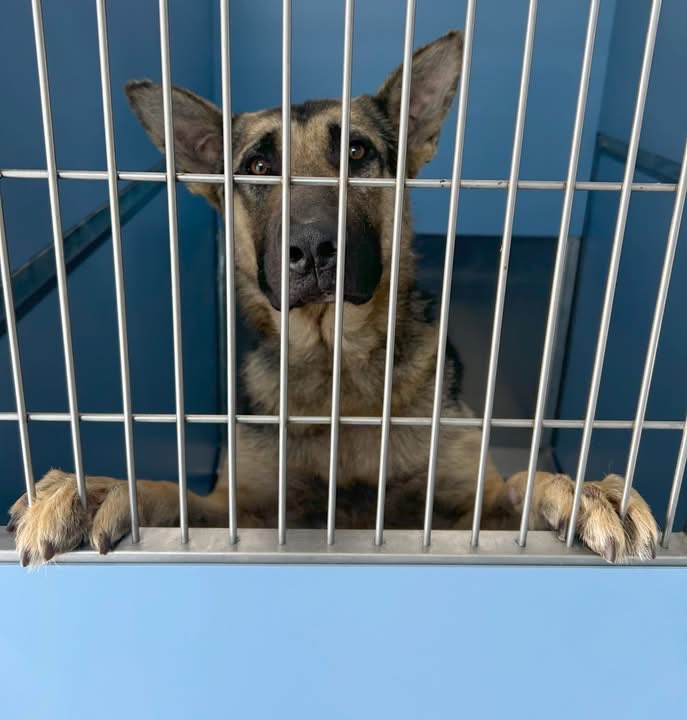
Imagine walking into a room packed to the brim, with barely enough space to breathe. Now, picture that room filled with furry faces, each pair of eyes holding a silent plea. This isn’t some hypothetical scenario; it’s the current reality at the Newport News Animal Shelter. Overcrowding has reached a critical point, and these animals desperately need our help.
It’s easy to scroll past headlines like these, thinking, “Someone else will handle it.” But what if that “someone else” is *you*? The truth is, the well-being of these animals, and the health of our community, hinges on whether we can collectively rise to the occasion.
Explanation of the Problem
The immediate impact of overcrowding is devastating for the animals themselves. Stressed and confined, they are more susceptible to illness, making the already difficult shelter environment even more challenging. The shelter staff, dedicated and hardworking as they are, become stretched thin, making it harder to provide the individual attention each animal deserves. Think about the comfort a simple scratch behind the ear can bring, the reassurance of a kind voice – these small acts of care become harder to come by when resources are strained.
But the repercussions extend far beyond the shelter walls. An overcrowded shelter struggles to adequately screen animals for behavioral issues and illnesses, potentially leading to unforeseen problems when they are adopted into homes. This, in turn, can lead to animals being returned to the shelter, perpetuating the cycle.
Long-term, chronic overcrowding can impact the shelter’s ability to effectively carry out its core mission: to protect public safety and promote responsible pet ownership. Resources intended for community outreach, spay/neuter programs, and other vital services may be diverted to simply manage the sheer volume of animals in their care. This creates a negative feedback loop, contributing to the problem of pet overpopulation and putting even more strain on the shelter in the future. Simply put, it’s not just about the animals currently in the shelter; it’s about preventing future crises.
Solutions
The good news is that there are numerous ways you can help alleviate the overcrowding at the Newport News Animal Shelter. It’s not just about grand gestures; even small acts of kindness can make a significant difference.
- Adoption: Opening Your Heart and Home: This is arguably the most impactful solution. Consider opening your home to a deserving dog or cat. Adoption not only saves a life but also frees up space in the shelter for another animal in need. Visit the shelter’s website or pay them a visit to see the available animals. Many are already house-trained, vaccinated, and eager to find their forever families. Remember, adoption isn’t just about rescuing an animal; it’s about gaining a loyal companion and enriching your own life in the process.
Example: The Smith family, after losing their beloved family dog, visited the Newport News Animal Shelter intending just to “look around.” They ended up falling in love with a shy, three-legged terrier mix named Lucky. Lucky quickly became an integral part of the family, bringing joy and laughter back into their home. They now volunteer at the shelter, advocating for other animals to find their own “Lucky” endings.
- Fostering: A Temporary Act of Kindness with a Lasting Impact: Fostering provides a temporary home for animals, often those who are too young, sick, or overwhelmed to thrive in the shelter environment. Fostering allows animals to de-stress, recover, and receive individualized care, significantly increasing their chances of adoption. The shelter provides food, medical care, and other necessary supplies.
Example: Sarah, a college student, fostered a litter of kittens for the Newport News Animal Shelter while they were too young to be adopted. She provided them with a safe and loving environment, socializing them and preparing them for their future homes. Fostering allowed Sarah to contribute to the well-being of animals even with her busy schedule.
- Volunteering: Your Time is Invaluable: Shelters rely heavily on volunteers to assist with various tasks, from walking dogs and cleaning kennels to providing enrichment activities and assisting with adoption events. Your time and skills can make a tangible difference in the lives of these animals. Even a few hours a week can significantly ease the burden on the shelter staff.
Case Study: John, a retired teacher, volunteers at the Newport News Animal Shelter twice a week, walking dogs and providing them with much-needed exercise and socialization. He finds it rewarding to see the dogs become more confident and relaxed, and he knows he’s making a positive impact on their lives.
- Spay/Neuter: Preventing Future Overpopulation: One of the most effective long-term solutions to pet overpopulation is spaying and neutering. By preventing unwanted litters, we can reduce the number of animals entering shelters in the first place. Consider spaying or neutering your own pets, and encourage your friends and neighbors to do the same. Many local organizations offer low-cost spay/neuter services.
- Donating: Supporting the Shelter’s Mission: Monetary donations directly support the shelter’s operations, allowing them to provide food, medical care, and other essential services to the animals in their care. Even small donations can add up and make a big difference. You can also donate supplies, such as food, blankets, toys, and cleaning supplies. Check the shelter’s website for a list of their current needs.
- Advocacy: Raising Awareness and Promoting Responsible Pet Ownership: Spread the word about the overcrowding situation at the Newport News Animal Shelter. Share their posts on social media, talk to your friends and family, and encourage them to consider adoption, fostering, or volunteering. You can also advocate for policies that support responsible pet ownership, such as mandatory spay/neuter laws and stricter breeding regulations.
- Microchipping and ID Tags: Ensuring Lost Pets Find Their Way Home: Prevent pets from entering the shelter system in the first place by ensuring they are microchipped and wearing ID tags with current contact information. This significantly increases the chances of lost pets being reunited with their owners quickly and easily.
The beauty of these solutions is that you can choose the approach that best fits your lifestyle, resources, and interests. Whether you adopt a new family member, offer a temporary haven through fostering, dedicate a few hours a week to volunteering, contribute financially, or simply spread the word, every action counts.
Remember, you don’t have to be a superhero to make a difference. Every small act of kindness creates a ripple effect, contributing to a more compassionate and humane community.
Conclusion
The overcrowding at the Newport News Animal Shelter is a challenge, but it’s not an insurmountable one. By working together, we can create a brighter future for the animals in our community. Let’s answer the call to action, embrace the power of compassion, and make a real difference in the lives of these deserving animals.
Don’t just read this article – let it inspire you to act. Visit the Newport News Animal Shelter, explore their website, and find your unique way to contribute. Together, we can transform the lives of these animals, one paw print at a time. The animals are waiting, and the community needs you. Let’s answer the call, Newport News.