
 By Flenn May
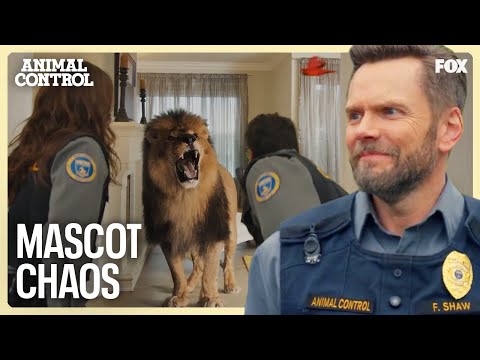
Animal Control: Chaos or Control?
Introduction
Ever watched a squirrel taunt your dog from the safety of a towering oak, or seen a stray cat slink through your neighborhood, seemingly without a care in the world? These everyday encounters might seem insignificant, but they hint at a much larger issue: animal control, a critical service that often teeters between orchestrated order and utter pandemonium.
Think about it – a single neglected animal can quickly become a breeding ground for disease, a hazard to public safety, and a source of immense suffering. Multiply that by the number of stray, feral, or uncontrolled animals in your community, and the potential for chaos skyrockets. So, how do we move from a landscape of reactive crisis management to proactive, effective animal control? Let’s dive in and explore the challenges, impacts, and, most importantly, the solutions that can help us tip the scales towards control.
Explanation of the Problem
The Short-Term Sizzle and the Long-Term Burn
The immediate consequences of inadequate animal control are often the most visible. Imagine a pack of stray dogs menacing children at a bus stop, or a raccoon family tearing through your garbage cans, leaving a trail of waste and potential disease. These are the headline-grabbing incidents, the moments that spark urgent calls to animal control and raise immediate concerns about public safety. Short-term impacts include:
- Public Safety Risks: Animal bites, scratches, and even attacks can lead to serious injuries and the potential transmission of rabies or other zoonotic diseases.
- Property Damage: From digging in gardens to damaging cars, uncontrolled animals can wreak havoc on personal property, leading to frustration and financial burdens.
- Nuisance Behaviors: Excessive noise, foul odors, and the spread of waste are all common complaints associated with stray or feral animal populations.
But beyond the immediate disruptions, the long-term consequences of neglecting animal control are far more insidious. These include:
- Disease Outbreaks: Uncontrolled animal populations can serve as reservoirs for diseases that can spill over into human populations, posing a significant public health threat.
- Ecological Imbalance: Feral cats, for example, are notorious predators of native wildlife, contributing to the decline of bird and small mammal populations.
- Animal Welfare Concerns: Overpopulation leads to increased competition for resources, resulting in starvation, disease, and suffering for countless animals.
- Erosion of Community Well-being: A perceived lack of control over animal populations can erode public trust in local government and create a sense of unease and insecurity.
Solutions
Turning the Tide: Practical Solutions for a More Controlled Future
The good news is that the situation isn’t hopeless. With a multi-faceted approach that combines responsible pet ownership, effective animal control strategies, and community involvement, we can create a future where both animals and people thrive. Here are some practical solutions that can make a real difference:
- Promote Responsible Pet Ownership:
- Mandatory Microchipping: Microchipping is a simple, affordable way to ensure that lost pets can be quickly reunited with their owners. Make it mandatory and enforce it.
- Low-Cost Spay/Neuter Programs: Overpopulation is at the root of many animal control challenges. Subsidized spay/neuter clinics can significantly reduce the number of unwanted animals entering shelters and roaming the streets.
- Education Campaigns: Educating the public about responsible pet ownership, including the importance of leashes, proper waste disposal, and preventing animal abandonment, is crucial.
- Strengthen Animal Control Infrastructure:
- Adequate Funding: Animal control services are often underfunded, leading to overworked staff, inadequate resources, and a reactive approach to problem-solving. Prioritize funding for animal control to ensure they have the resources they need to effectively manage animal populations.
- Well-Trained Personnel: Animal control officers should be equipped with the knowledge, skills, and resources to handle a wide range of situations, from rescuing injured animals to investigating animal cruelty cases.
- Modern Facilities: Up-to-date animal shelters with adequate space, ventilation, and sanitation are essential for providing humane care to animals in need.
- Embrace Trap-Neuter-Return (TNR) for Feral Cats:
- How TNR Works: TNR involves trapping feral cats, sterilizing them, vaccinating them against rabies, and then returning them to their original territory.
- Why It’s Effective: TNR stabilizes feral cat populations, reduces nuisance behaviors, and improves the overall health and well-being of the cats.
- Case Study: Many cities across the US have successfully implemented TNR programs. For instance, in Alachua County, Florida, a community-wide TNR effort has led to a significant reduction in feral cat populations and shelter intake rates.
- Foster Community Involvement:
- Volunteer Programs: Engage community members as volunteers at animal shelters to help with tasks such as walking dogs, socializing cats, and assisting with administrative duties.
- Foster Care Networks: Foster homes provide temporary care for animals awaiting adoption, freeing up space in shelters and giving animals a chance to thrive in a home environment.
- Community Watch Programs: Encourage residents to report stray animals, suspected animal cruelty, and other animal-related concerns to animal control.
- Leverage Technology:
- Online Reporting Systems: Make it easy for residents to report animal-related issues through online portals or mobile apps.
- GPS Tracking: Equip animal control officers with GPS tracking devices to improve response times and efficiency.
- Social Media Outreach: Use social media to share information about adoptable animals, lost pets, and upcoming animal-related events.
Choosing the Right Approach: Tailoring Solutions to Your Community
Not every solution will work perfectly in every community. The most effective approach to animal control is one that is tailored to the specific needs and challenges of your local area. Consider the following factors when developing your strategy:
- Population Density: Densely populated urban areas may require a more aggressive approach to animal control than rural communities.
- Animal Population Dynamics: Understanding the size, distribution, and breeding patterns of animal populations in your area is crucial for developing effective management strategies.
- Community Resources: Assess the availability of funding, personnel, and facilities to determine which solutions are feasible.
- Community Values: Engage with residents to understand their priorities and concerns related to animal control.
Conclusion
From Chaos to Control: A Call to Action
Animal control is not just about managing stray animals; it’s about protecting public health, promoting animal welfare, and building stronger, more resilient communities. By embracing a proactive, multi-faceted approach that combines responsible pet ownership, effective animal control strategies, and community involvement, we can create a future where both animals and people thrive.
So, what can you do? Educate yourself and others about responsible pet ownership. Support your local animal shelter or rescue organization. Advocate for stronger animal control laws and increased funding for animal control services. Every action, no matter how small, can make a difference.
The journey from chaos to control may be challenging, but it is a journey worth taking. Together, we can create communities where animals are valued, protected, and treated with the respect they deserve. Let’s start building that future today.