
 By Flenn May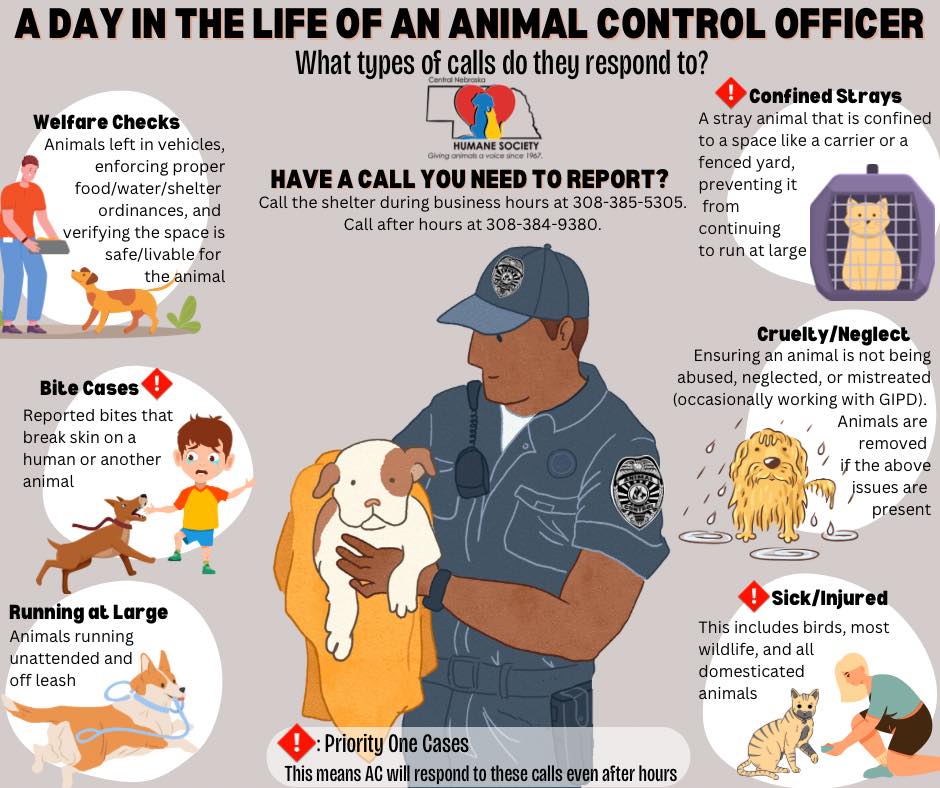
Animal Control: The Bite Stops Here
Introduction
Ever walked down the street and felt a knot of anxiety tighten in your stomach as a dog barked ferociously from behind a fence? Or maybe you’ve witnessed a stray cat darting across a busy road, its survival hanging in the balance? These are everyday scenarios, and they highlight a critical need in our communities: effective animal control. It’s more than just chasing stray pups; it’s about ensuring public safety, protecting animal welfare, and fostering a harmonious relationship between humans and animals.
Animal control. The name itself might conjure images of uniformed officers and net-wielding individuals. While that’s certainly part of it, the reality is far more nuanced and impacts us all, directly or indirectly. Let’s delve into why animal control is so vital, the challenges it faces, and, most importantly, what we can do to help “stop the bite” – both literally and figuratively.
The Ripple Effect: Short-Term Agony, Long-Term Costs
The immediate consequences of inadequate animal control are often visible and distressing. Dog bites, for instance, are a significant public health concern. They can lead to serious injuries, requiring costly medical treatment, and even result in permanent disfigurement or psychological trauma. Beyond the physical harm, there’s the emotional toll. Fear of animals can be debilitating, particularly for children.
But the impact stretches far beyond individual incidents. Uncontrolled animal populations can lead to:
- Public Health Risks: Overcrowding among stray animals often leads to the spread of diseases like rabies, ringworm, and parasites, posing a threat to both humans and other animals.
- Environmental Degradation: Unmanaged animal populations can disrupt local ecosystems, preying on native wildlife and competing for resources.
- Economic Burden: Local governments bear the brunt of the cost for animal control services, including sheltering, vaccinations, and responding to animal-related emergencies. Neglecting animal control ultimately leads to higher costs in the long run.
- Ethical Concerns: A community that fails to address animal welfare issues is essentially turning a blind eye to suffering. Overpopulation often results in overcrowded shelters, leading to difficult decisions about euthanasia.
Imagine a scenario: A small town is grappling with an increasing stray cat population. Residents complain of cats damaging property, fighting in the streets at night, and leaving behind messes. The local animal shelter is overflowing. This short-term inconvenience quickly escalates. Residents, frustrated and overwhelmed, start poisoning the cats, creating an even bigger public safety hazard. Children are bitten trying to interact with the feral felines. The local ecosystem suffers as the cats prey on songbirds. What started as a manageable issue quickly spiraled into a costly and emotionally charged crisis.
Turning the Tide: Practical Solutions for a Safer Community
So, how do we effectively “stop the bite” and prevent these scenarios from unfolding? The good news is that there are several practical and impactful solutions we can implement at both the individual and community level.
- Responsible Pet Ownership: The Foundation of Change
This is arguably the most crucial aspect of effective animal control. It starts with understanding that owning a pet is a lifelong commitment, not a fleeting impulse. Responsible pet owners:
- Spay or Neuter Their Pets: This is the single most effective way to control animal populations and reduce the number of animals entering shelters. Low-cost spay/neuter clinics are often available in communities, making it more accessible for pet owners.
- Case Study: The city of Austin, Texas, saw a dramatic decrease in shelter intake and euthanasia rates after implementing a comprehensive spay/neuter program.
- Provide Adequate Training and Socialization: A well-trained and socialized pet is less likely to exhibit aggressive behaviors.
- Keep Their Pets Leashed and Under Control in Public: This prevents unwanted interactions with other animals and people.
- Ensure Proper Identification: Microchipping or wearing tags allows lost pets to be quickly reunited with their owners.
- Provide Proper Care and Attention: This includes providing adequate food, water, shelter, and veterinary care.
- Strengthening Animal Control Services: A Community Investment
Investing in well-equipped and well-trained animal control services is essential. This includes:
- Adequate Funding: Ensuring that animal control agencies have the resources they need to operate effectively.
- Comprehensive Training: Equipping animal control officers with the skills and knowledge to handle a variety of situations, including animal handling, conflict resolution, and enforcement of animal control laws.
- Community Outreach and Education: Educating the public about responsible pet ownership and animal safety.
- Collaboration with Local Shelters and Rescue Organizations: Working together to find homes for adoptable animals and reduce euthanasia rates.
- Trap-Neuter-Release (TNR) Programs: A Humane Solution for Feral Cats
TNR programs are a proven method for managing feral cat populations. Cats are humanely trapped, sterilized, vaccinated, and then returned to their original locations. This prevents further breeding, reduces nuisance behaviors, and improves the overall health of the colony.
- Example: Many cities have seen success with TNR programs. The Alley Cat Allies organization provides resources and support for communities interested in implementing TNR.
- Fostering a Culture of Reporting and Intervention:
Encourage residents to report animal neglect, abuse, and dangerous animal behavior to the appropriate authorities. Bystander intervention can save lives.
- Example: If you see a dog left in a hot car, report it immediately. Time is of the essence.
- Implementing and Enforcing Animal Control Laws:
Clear and enforceable animal control laws are crucial for maintaining public safety and protecting animal welfare. These laws should address issues such as leash laws, barking ordinances, and animal cruelty.
Choose Your Approach: A Spectrum of Solutions
The beauty of these solutions is that they are not mutually exclusive. You can choose the approach that best fits your personal circumstances and community needs.
- For the individual: Become a responsible pet owner, support local animal shelters, and advocate for animal welfare.
- For communities: Invest in animal control services, implement TNR programs, and enact and enforce animal control laws.
- For everyone: Educate yourself and others about responsible pet ownership and animal safety.
A Brighter Future: One Paw at a Time
Creating a community where animals and humans can coexist peacefully is not just a pipe dream; it’s an achievable goal. By embracing responsible pet ownership, supporting animal control services, and promoting humane solutions, we can “stop the bite” and build a safer, healthier, and more compassionate world for everyone.
It takes collective action. It requires us to be informed, engaged, and willing to make a difference. The positive impact of these efforts extends far beyond the immediate problem, creating a ripple effect of compassion and responsibility that benefits our entire community. Let’s start today, one paw at a time, to create a brighter future for both humans and animals. The bite stops here, with us.