
 By Flenn May
Animal Control: From Crisis to Care
Introduction
Ever stumbled upon a stray dog, ribs showing, eyes pleading? Or perhaps you’ve heard the frantic meows of a kitten trapped beneath a car? These are glimpses into a world where “animal control” isn’t just a phrase, but a vital service teetering between crisis response and compassionate care. It’s a field far more complex than picking up lost pets, and the challenges, both immediate and far-reaching, demand our attention and action.
Forget the image of the stern officer with a net; modern animal control is evolving. It’s about understanding animal behavior, navigating community needs, and, most importantly, preventing problems before they escalate. So, what are these “problems” we’re talking about, and how can we shift from reactive fire-fighting to proactive animal welfare?
The Short-Term Pain: Immediate Impacts of Animal Control Crises
When animal control is stretched thin, the immediate consequences are painfully clear. Uncontrolled animal populations lead to increased risks of animal bites and attacks, threatening public safety, especially for children and the elderly. Think of it: a pack of stray dogs roaming neighborhoods, or feral cats multiplying unchecked, spreading diseases and disturbing the peace.
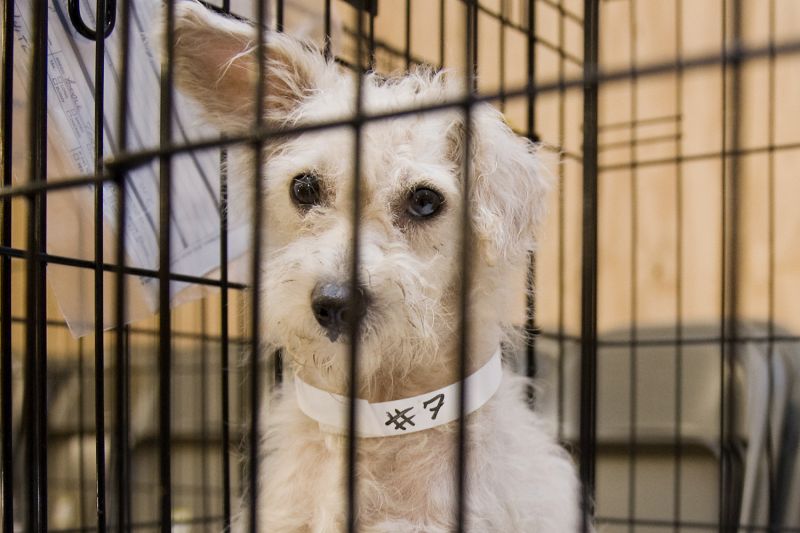
Overcrowded shelters are another heartbreaking symptom. Limited resources mean tough choices, sometimes leading to euthanasia when shelters are overwhelmed. This not only takes an emotional toll on shelter staff but also undermines the very purpose of animal rescue.
Then there’s the economic burden. Taxpayers foot the bill for treating animal bites, handling nuisance complaints, and cleaning up messes caused by roaming animals. These costs can quickly add up, diverting resources from other essential community services.
The Long Game: The Broader, Lasting Impacts
The long-term impacts of inadequate animal control extend far beyond the immediate crisis. Neglected animal populations contribute to the spread of zoonotic diseases – illnesses that can jump from animals to humans. Diseases like rabies, leptospirosis, and ringworm can have serious public health consequences, requiring costly treatment and, in some cases, leading to fatalities.
Furthermore, the presence of stray and feral animals can severely impact local ecosystems. Feral cats, for example, are notorious predators, decimating bird populations and disrupting the delicate balance of nature. Uncontrolled breeding can also lead to genetic weaknesses within animal populations, making them more susceptible to disease and less resilient to environmental changes.
Perhaps most concerning is the cycle of neglect and abandonment. Without effective animal control programs that promote responsible pet ownership, the cycle continues, perpetuating animal suffering and burdening future generations. A community that tolerates animal neglect risks developing a culture of indifference toward all forms of vulnerability.
Turning the Tide: Practical Solutions for a Better Future
So, how do we break this cycle and create a more compassionate and effective animal control system? Here are several practical approaches, each with its own strengths and suitability for different communities:
- Spay/Neuter Programs: The Cornerstone of Control. This is, without a doubt, the most effective long-term solution. High-volume, low-cost spay/neuter clinics can drastically reduce the number of unwanted animals entering the system. Many non-profit organizations and local governments now offer spay/neuter vouchers or subsidized programs to make these services more accessible.
- Example: In Austin, Texas, a comprehensive spay/neuter program, combined with robust adoption efforts, has helped the city achieve a “no-kill” status for its shelters, meaning that 90% or more of animals entering the shelter system are saved.
- Trap-Neuter-Return (TNR) for Feral Cats: TNR involves humanely trapping feral cats, sterilizing them, vaccinating them against rabies, and returning them to their outdoor homes. This prevents further breeding, reduces nuisance behaviors, and stabilizes feral cat populations. It’s a more humane and effective alternative to trapping and euthanizing feral cats.
- Example: Numerous cities and towns have successfully implemented TNR programs, often relying on volunteer support to manage feral cat colonies. Studies have shown that TNR can significantly reduce the size of feral cat populations over time.
- Enhanced Animal Control Education and Outreach: Prevention is key. Educating the public about responsible pet ownership, including the importance of vaccinations, microchipping, and preventing animal abandonment, can significantly reduce the number of animals entering the shelter system.
- Example: Public service announcements, school programs, and community events can be used to raise awareness about animal welfare issues and promote responsible pet ownership practices.
- Stricter Animal Cruelty Laws and Enforcement: Strong animal cruelty laws, coupled with effective enforcement, send a clear message that animal abuse and neglect will not be tolerated. Reporting suspected cases of animal cruelty and supporting law enforcement efforts to prosecute offenders can help protect vulnerable animals and deter future abuse.
- Example: Several states have strengthened their animal cruelty laws to include felony penalties for intentional acts of animal torture or killing.
- Promoting Adoption and Fostering: Encouraging people to adopt animals from shelters rather than purchasing them from breeders or pet stores can help reduce overcrowding in shelters and provide loving homes for animals in need. Fostering programs provide temporary homes for animals while they await adoption, giving them a chance to socialize and adjust to life in a home environment.
- Example: Many shelters partner with local businesses and organizations to host adoption events, making it easier for people to meet and adopt animals.
- Microchipping and Pet Identification: Microchipping pets is a simple and inexpensive way to ensure that lost animals can be reunited with their owners. Keeping contact information up-to-date in the microchip registry is crucial.
- Example: Microchipping clinics can be offered at low cost or even free to encourage pet owners to microchip their animals.
Tailoring Solutions to Fit Your Community
There’s no one-size-fits-all solution to animal control. The best approach will depend on the specific needs and resources of your community. Consider these factors:
- Population Density: Densely populated urban areas may require more intensive animal control efforts than sparsely populated rural areas.
- Community Culture: Cultural attitudes toward animals can influence the effectiveness of animal control programs.
- Funding Availability: Adequate funding is essential for implementing and maintaining effective animal control programs.
- Volunteer Support: Volunteers can play a crucial role in supporting animal control efforts, such as fostering animals, assisting with adoption events, and educating the public.
From Despair to Determination: A Call to Action
The challenges facing animal control are significant, but they are not insurmountable. By implementing a combination of these solutions, we can create a more humane and effective system that protects both animals and people.
The power to make a difference lies within each of us. Consider volunteering at your local animal shelter, donating to animal welfare organizations, supporting TNR programs, or simply spreading awareness about responsible pet ownership. Every action, no matter how small, contributes to a brighter future for animals in need.
Let’s move beyond crisis response and build a future where every animal has a chance to thrive. Let’s transform animal control from a reactive system to a proactive model of care, compassion, and prevention. The journey may be long, but the destination – a community where animals are valued and protected – is well worth the effort. So, take a moment, reflect, and then take action. The animals are counting on us.