
 By Flenn May
“`html
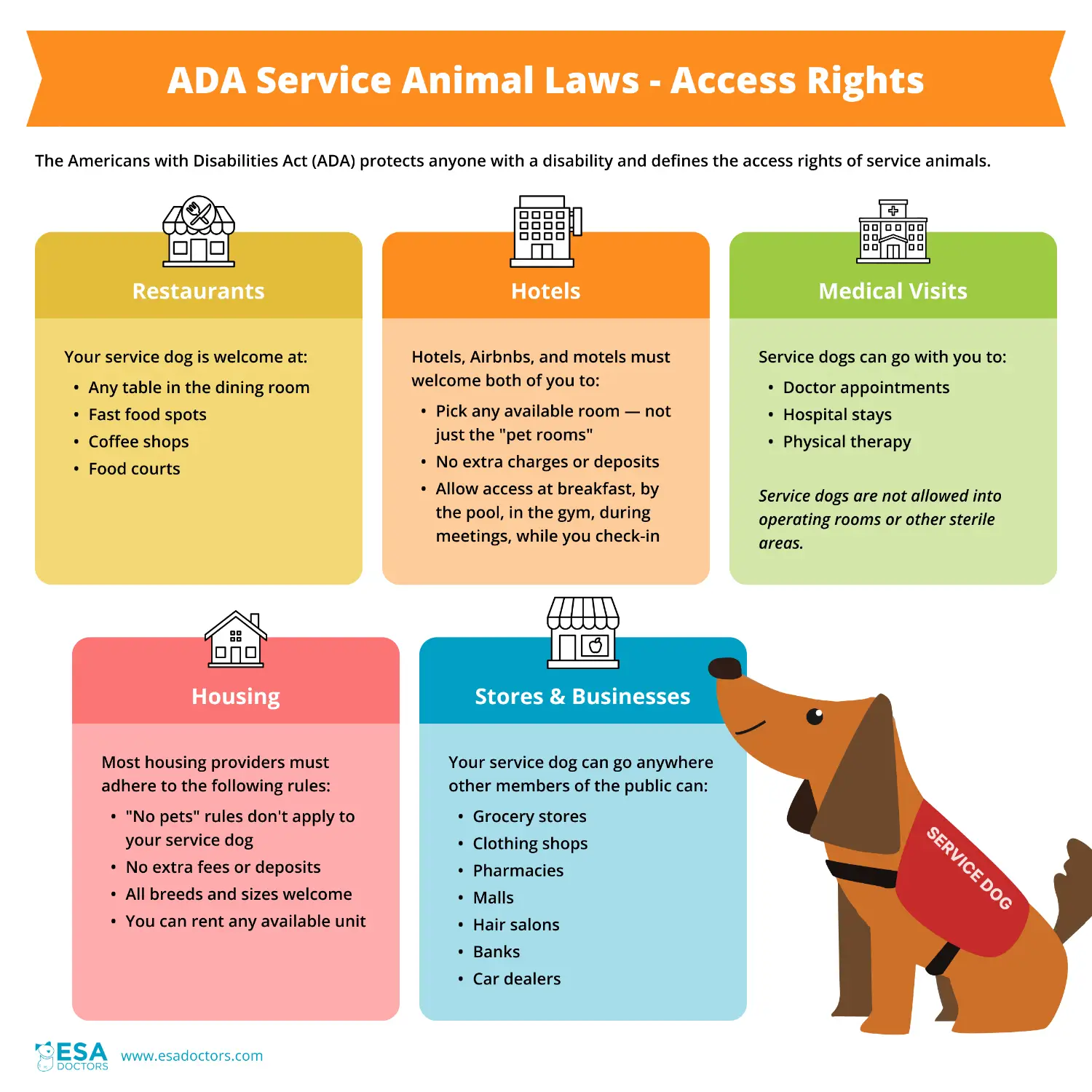
Service Animals Under Siege: New Challenges Threaten Access and Rights
Imagine relying on a loyal companion for your daily life – someone who helps you navigate the world, alerts you to danger, or simply provides the comfort and stability you need. For millions, that companion is a service animal, a specially trained dog (and sometimes miniature horses) providing invaluable assistance to people with disabilities. But what if their access to public spaces, their very right to exist and assist, was under threat?
Unfortunately, this isn’t a hypothetical scenario. Service animals are facing unprecedented challenges that could drastically impact the lives of those who depend on them. We’re not just talking about the occasional misunderstanding. We’re talking about a growing wave of misinformation, fraudulent “service animal” certifications, and increasing skepticism that’s making life harder for legitimate handlers and threatening to erode hard-won legal protections.
So, what’s really going on? Let’s dive in.
The Perfect Storm: Why Service Animals Are Facing Headwinds
The issue is multifaceted, but a few key factors are driving the current situation.
- The Rise of “Emotional Support Animals” and Online Certifications: Emotional Support Animals (ESAs) provide comfort and companionship, but unlike service animals, they aren’t trained to perform specific tasks. The explosion of online services offering quick and easy ESA “certifications” has blurred the lines, leading to confusion and skepticism. People see untrained animals in vests causing disturbances, and it unfortunately taints the perception of legitimate service animals.
- Misinformation and Lack of Awareness: Many people are simply unaware of the strict legal definitions of service animals and the rights afforded to them and their handlers under the Americans with Disabilities Act (ADA). This lack of understanding can lead to uncomfortable confrontations and denials of access.
- Exploitation of the System: Sadly, some individuals intentionally misrepresent their pets as service animals to avoid pet fees or gain access to restricted areas. This abuse further fuels skepticism and makes it more difficult for genuine service animal teams.
Short-Term Pain, Long-Term Consequences: The Stakes Are High
The immediate effects of this trend are already being felt by service animal handlers. They face increased scrutiny, frequent questioning, and sometimes outright discrimination. Imagine trying to board a plane or enter a restaurant, only to be grilled about your dog’s credentials, even though you have a legitimate need. This adds unnecessary stress and anxiety to everyday activities.
But the long-term consequences are far more concerning. If the public loses faith in the legitimacy of service animals, it could lead to:
- Erosion of ADA protections: Increased skepticism could lead to pressure to weaken or reinterpret existing laws, making it harder for individuals with disabilities to access public spaces.
- Increased discrimination: Legitimate service animal teams could face more frequent denials of access and hostile treatment, limiting their independence and quality of life.
- Strained relationships between businesses and handlers: Businesses, already struggling to navigate the complex legal landscape, may become overly cautious and adopt restrictive policies that inadvertently harm legitimate service animal teams.
Turning the Tide: Practical Solutions for a Brighter Future
The good news is that we can address these challenges with a combination of education, advocacy, and responsible action. Here are some practical solutions:
- Education is Key: Spreading Awareness and Understanding
- Public Awareness Campaigns: Launch public service announcements and educational campaigns that clearly explain the differences between service animals and ESAs, highlight the crucial roles service animals play, and educate businesses and the public about ADA guidelines. Organizations like Assistance Dogs International (ADI) already offer valuable resources, and their efforts should be amplified.
- Training for Businesses: Offer training programs for business owners and employees on how to appropriately interact with service animal teams, understand their rights, and avoid discriminatory practices. This training can cover everything from appropriate questioning (which should be minimal and focused on task training, not disability) to creating welcoming and accessible environments.
- Case Study: One hotel chain implemented a training program that resulted in a significant decrease in complaints from service animal handlers and an increase in positive reviews praising the hotel’s accessibility.
- Strengthening Enforcement: Holding Fraudulent Actors Accountable
- Crack Down on Online Certification Mills: Advocate for legislation that prohibits or regulates the sale of fraudulent service animal certifications. These “certifications” have no legal standing and contribute to the problem of untrained animals in public spaces.
- Increased Penalties for Misrepresentation: Implement or strengthen existing penalties for individuals who falsely represent their pets as service animals. This sends a clear message that abusing the system will not be tolerated.
- Example: Some states have already enacted laws making it a misdemeanor to falsely represent an animal as a service animal. Increased enforcement of these laws can deter fraudulent behavior.
- Promoting Responsible Ownership: Ensuring High Standards for Service Animals
- Promote ADI Accreditation: Support organizations like Assistance Dogs International (ADI) that accredit service dog training programs. ADI accreditation ensures that programs meet rigorous standards for training, ethics, and client support. Encourage potential service animal handlers to choose ADI-accredited programs.
- Responsible Breeding Practices: Promote responsible breeding practices to minimize health and temperament issues in service dogs.
- Mandatory Training Standards: Though controversial due to access concerns, exploring potential ethical, government-approved, and need-assessed training standards could improve public perception and ensure competent task performance.
- Building Bridges: Fostering Dialogue and Collaboration
- Open Communication Between Handlers and Businesses: Encourage open communication between service animal handlers and businesses. Clear communication can help prevent misunderstandings and resolve conflicts amicably.
- Collaboration with Disability Advocacy Groups: Work with disability advocacy groups to develop and implement solutions that protect the rights of service animal handlers and promote accessibility.
- Accessibility Audits: Encourage businesses to conduct accessibility audits to identify and address potential barriers for people with disabilities, including those who use service animals.
A Call to Action: Protecting the Bonds That Matter
The challenges facing service animals and their handlers are significant, but they are not insurmountable. By educating ourselves, advocating for stronger enforcement, promoting responsible ownership, and fostering open communication, we can create a more inclusive and accepting society for everyone.
This isn’t just about protecting the rights of a specific group of people; it’s about upholding the principles of equality, accessibility, and compassion that are fundamental to our society.
The future of service animal access depends on our collective action. Let’s work together to ensure that these invaluable partners continue to have the opportunity to provide life-changing support to those who need them most. Don’t be a bystander. Be an advocate. Speak up. Educate others. Together, we can ensure that service animals remain a vital resource for individuals with disabilities for generations to come. The time to act is now.
“`