
 By Flenn May
Animal Control Crisis: Stray Numbers Skyrocket, Resources Dwindle
Introduction
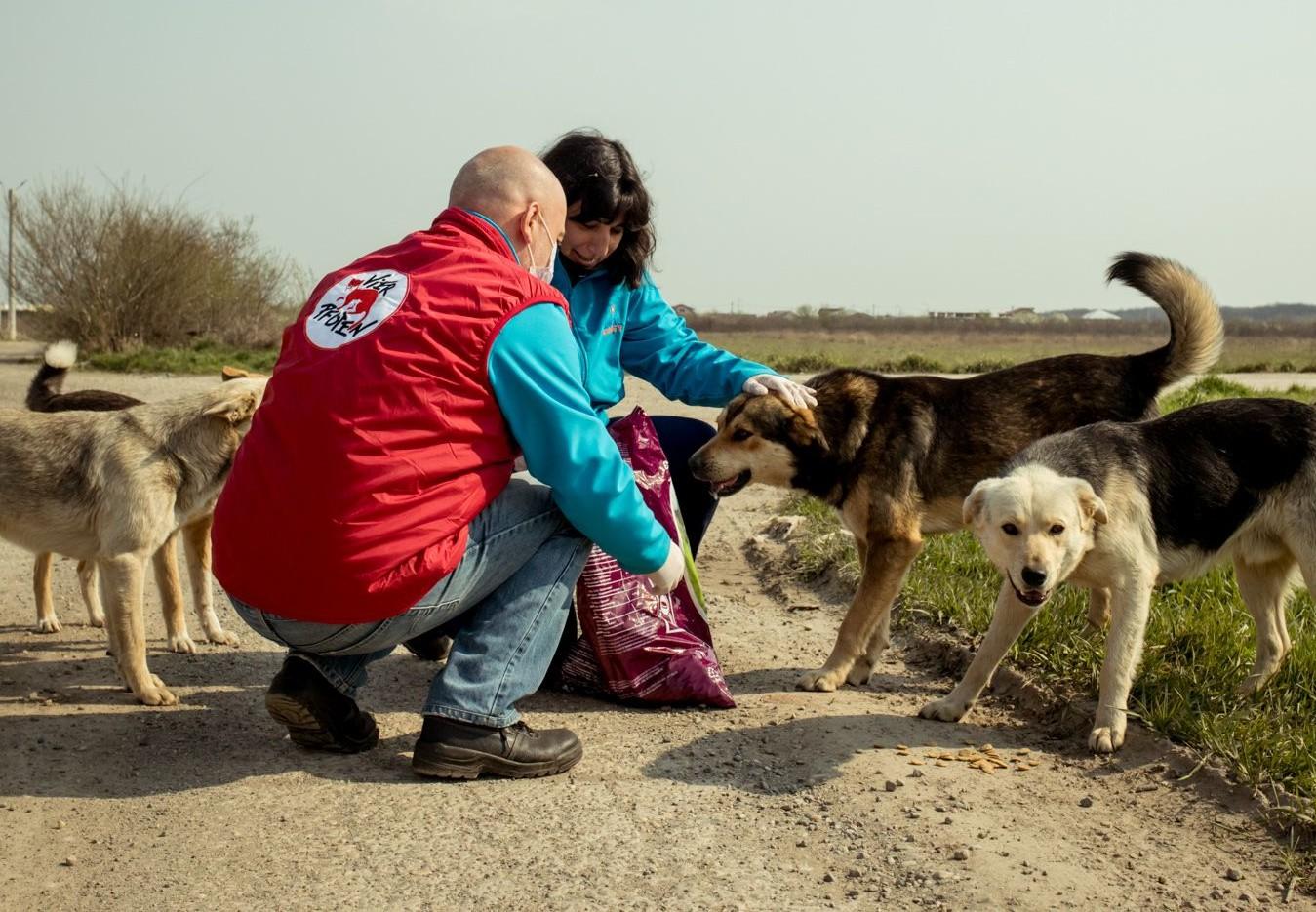
Okay, let’s talk about something that’s probably closer to home than you think, and definitely pulling at the heartstrings of animal lovers everywhere: our local animal shelters. Or, more specifically, the growing crisis they’re facing. Imagine walking down your street and seeing more stray dogs and cats than ever before. Maybe you’ve already noticed it. It’s not just your imagination – stray animal populations are booming in many communities, and it’s putting immense strain on our already-stretched animal control services.
Think of it this way: it’s like a bathtub overflowing. The faucet (unspayed/unneutered animals breeding) is running full blast, while the drain (shelter adoptions, responsible pet ownership) is barely a trickle. The result? A messy, overwhelming situation that impacts not only the animals but also the community at large.
So, why should you care? Well, aside from the obvious compassion we feel for these vulnerable creatures, unchecked stray populations have some serious short-term and long-term consequences.
Explanation of the Problem
The Immediate Impact: A Daily Struggle
In the short-term, the impact is palpable. Overcrowded shelters are forced to make difficult choices, often leading to increased euthanasia rates. Resources – food, medical care, staffing – are spread thin, compromising the quality of care that can be provided. Imagine a shelter worker, overwhelmed and exhausted, trying to care for dozens more animals than they’re equipped for. It’s a heartbreaking reality.
Beyond the shelters, increased stray populations can lead to:
- Public Health Concerns: Stray animals can carry diseases like rabies, parasites, and ringworm, posing a risk to both humans and other pets.
- Increased Animal Bites and Attacks: While not all strays are aggressive, a larger population inevitably leads to more instances of animal bites, causing injuries and fear within the community.
- Traffic Accidents: Animals darting into traffic are a common cause of accidents, endangering both the animals and drivers.
- Nuisance Issues: Uncontrolled populations can lead to issues like noise complaints, property damage (digging, chewing), and unsanitary conditions.
The Long Game: A Societal Problem
The long-term impacts are equally concerning, reaching beyond individual incidents and impacting the overall fabric of our communities.
- Erosion of Animal Welfare: A perpetual cycle of overpopulation and neglect leads to a decline in the overall well-being of animals in the community. Future generations may grow up seeing stray animals as a normal, unavoidable part of life, rather than recognizing the underlying issues of irresponsible breeding and lack of resources.
- Financial Burden on Taxpayers: Animal control services are funded by taxpayer dollars. As stray populations grow, so does the cost of running shelters, providing veterinary care, and managing complaints, placing an increasing burden on local budgets.
- Negative Impact on Tourism and Community Image: A visible stray animal problem can detract from the overall appeal of a community, potentially impacting tourism and the perception of the area as a safe and caring place to live.
- The Desensitization Effect: Constantly seeing animals suffering on the streets can lead to a gradual desensitization within the community, making it harder to garner support for animal welfare initiatives.
Solutions
Turning the Tide: Practical Solutions for a Better Future
Okay, so it’s a grim picture. But here’s the good news: This isn’t an unsolvable problem. There are practical, actionable steps we can take to address the root causes and alleviate the strain on our animal control services.
1. The Power of Spay/Neuter Programs:
This is the absolute cornerstone of any effective strategy. Preventing unwanted litters is far more humane and cost-effective than dealing with the consequences of overpopulation.
- Low-Cost/Free Clinics: Many communities offer low-cost or even free spay/neuter clinics. Support these initiatives through donations or volunteer work.
- Mobile Clinics: Bringing the service directly to underserved communities can significantly increase participation.
- Community Outreach: Educating pet owners about the importance of spaying/neutering is crucial. Partner with local schools, community centers, and libraries to spread the word.
Example: Consider the case of Austin, Texas. Through a combination of city-funded spay/neuter programs, community partnerships, and aggressive outreach efforts, Austin achieved “no-kill” status for its shelters. This means that all healthy and treatable animals are guaranteed placement, either through adoption or transfer to rescue organizations.
2. Responsible Pet Ownership: It Starts with You
Spaying/neutering is just the beginning. Responsible pet ownership involves a whole package of commitments.
- Identification: Microchipping or tagging your pet is crucial for ensuring they are returned to you if they get lost.
- Confinement: Keeping your pets safely confined, whether in a fenced yard or on a leash, prevents them from roaming and contributing to stray populations.
- Training: A well-trained pet is less likely to run away and more likely to be welcomed in public spaces.
- Commitment: Owning a pet is a long-term responsibility. Be prepared to provide for their needs for the entirety of their life.
3. Strengthening Animal Control and Shelter Resources:
While prevention is key, we also need to ensure that our animal control services have the resources they need to manage existing stray populations.
- Increased Funding: Advocate for increased funding for animal control and shelter programs. This can come from local taxes, grants, or private donations.
- Staff Training: Provide animal control officers and shelter staff with comprehensive training in animal handling, behavior, and humane treatment.
- Improved Facilities: Modern, well-maintained shelters provide a better environment for animals in their care and make it easier for staff to provide quality care.
4. Fostering and Adoption: Open Your Heart, Open Your Home
Adoption is the ideal outcome for stray animals. But until permanent homes are found, foster care can provide a temporary haven.
- Foster Programs: Participating in a foster program allows you to provide a loving home environment for a homeless animal while they wait for adoption.
- Adoption Events: Support adoption events by volunteering or simply spreading the word.
- Online Platforms: Use social media and online adoption platforms to showcase animals in need of homes.
5. Community Cat Programs: A Targeted Approach
For feral or unsocialized cats, trap-neuter-release (TNR) programs can be an effective way to manage populations.
- TNR Programs: Volunteer with or donate to TNR programs in your area. These programs involve humanely trapping feral cats, sterilizing them, and then returning them to their original territory. This prevents further breeding and reduces nuisance behaviors.
- Community Education: Educate your neighbors about the benefits of TNR programs and how to support them.
Alternative Approaches:
- Pet Food Banks: Helping families struggling to afford pet food can prevent them from surrendering their animals to shelters.
- Temporary Boarding Assistance: Providing temporary boarding for families facing emergencies (e.g., hospitalization, eviction) can prevent them from having to relinquish their pets.
- Legislation: Advocate for stricter laws regarding animal cruelty, abandonment, and responsible pet ownership.
Conclusion
A Call to Action: Be Part of the Solution
The animal control crisis is a complex problem, but it’s one that we can address with a combination of compassion, commitment, and community action. It might feel overwhelming, but even small actions can make a big difference. Volunteer at your local shelter, donate to a spay/neuter program, foster a homeless animal, or simply educate your friends and neighbors about responsible pet ownership.
Remember that overflowing bathtub? We can turn down the faucet together. By working collaboratively, we can create a future where fewer animals suffer on the streets and our communities are safer and more compassionate places for both humans and animals alike. Don’t just read about the problem; be part of the solution. Start today. Your actions, no matter how small they seem, can contribute to a brighter future for animals in need. The power to make a difference is in your hands. Now, go out there and use it!