
 By Flenn May
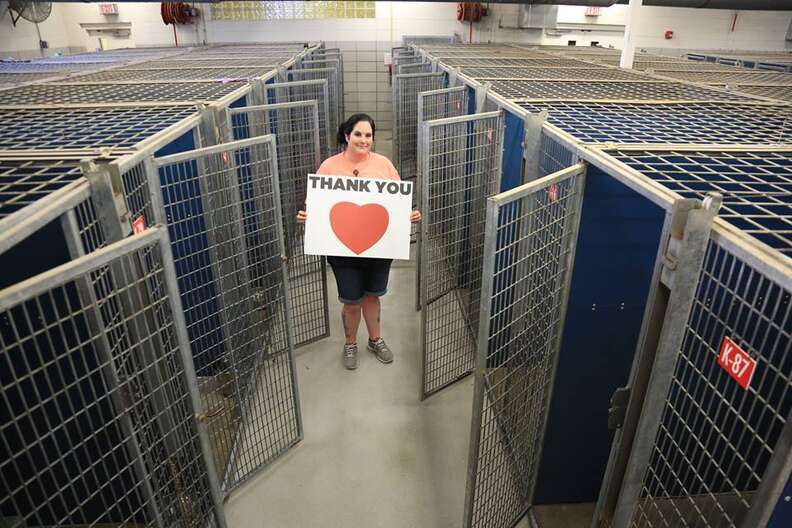
Empty Cages to Full Hearts: Shelter Stories That Will Move You
Introduction
Have you ever looked into the eyes of a shelter animal? Behind that initial hesitancy, you see a flicker of hope, a desperate yearning for a place to belong. And sometimes, you see a well of sadness so deep it could drown you. The reality is, animal shelters across the country are overflowing with deserving creatures, each with their own unique story, waiting for a chance at a better life. This isn’t just a statistic; it’s a daily struggle with profound short-term and long-term impacts, not just on the animals themselves, but on our communities as a whole. But the good news? We can make a difference.
The Weight of Overcrowded Shelters:
Think about it: a shelter, by its very definition, should be a safe haven. But overcrowded conditions turn them into stressful environments. Short-term, this means increased disease transmission, compromised animal welfare, and a constant scramble for resources like food, medical care, and staff attention. Animals, already traumatized by abandonment or mistreatment, experience further anxiety and stress. This can manifest as behavioral issues, making them even less appealing to potential adopters.
The long-term consequences are even more heartbreaking. Overcrowding strains shelter resources, leading to difficult decisions like euthanasia due to lack of space and funding. The emotional toll on shelter staff is immense, leading to burnout and compassion fatigue. And the cycle continues, contributing to a growing population of homeless animals struggling to survive on the streets, often facing starvation, injury, and disease.
Beyond the immediate suffering of the animals, there are wider community impacts. Stray animals can pose public health risks, spread diseases, and contribute to traffic accidents. Moreover, the cost of animal control and shelter operations places a burden on local taxpayers. Addressing this issue isn’t just about compassion; it’s about responsible community management.
From Empty Cages to Full Hearts: Practical Solutions
So, how do we turn the tide and move from overcrowded shelters to loving homes? The good news is, the solution isn’t a single magic bullet, but a multi-pronged approach that addresses the root causes of animal homelessness and empowers individuals to become part of the solution.
Here are some practical, actionable steps you can take:
- Embrace Adoption: Making a Conscious Choice
This is arguably the most direct and impactful solution. Before considering a breeder, visit your local animal shelter. You might be surprised at the variety of breeds, ages, and personalities waiting to be discovered. Adoption fees are typically lower than breeder prices, and you’re giving a deserving animal a second chance.
Example: The Smith family, initially set on buying a purebred Labrador puppy, visited their local shelter “Happy Tails Rescue” on a whim. They met Bella, a shy but sweet golden retriever mix, who had been abandoned. They instantly fell in love. Bella quickly became a beloved member of the family, and the Smiths found immense satisfaction in giving her a forever home.
- Spay and Neuter: Preventing Unwanted Litters
This is crucial for controlling the pet population. Spaying or neutering your pets not only prevents unwanted litters, but also offers numerous health benefits, reducing the risk of certain cancers and behavioral problems. Many shelters and rescue organizations offer low-cost spay/neuter clinics, making it accessible to everyone.
Resources: Check with your local animal shelter or humane society for information on low-cost spay/neuter programs. Organizations like the ASPCA and the Humane Society also offer resources and information on the benefits of spaying and neutering.
- Responsible Pet Ownership: A Lifelong Commitment
Owning a pet is a long-term commitment that requires time, resources, and dedication. Before bringing an animal into your home, carefully consider whether you can provide for its physical, emotional, and financial needs for the duration of its life. This includes proper nutrition, veterinary care, training, and socialization.
Example: The Johnson family researched different dog breeds before adopting. They recognized their active lifestyle suited a high-energy dog and chose a Border Collie from the local shelter. They committed to daily walks, training sessions, and mental stimulation, ensuring their dog thrived in their home.
- Foster Care: Providing Temporary Homes
Becoming a foster parent is a wonderful way to help shelter animals. Fostering provides a temporary, loving home for animals in need, whether they are recovering from illness or injury, too young for adoption, or simply need a break from the shelter environment. Foster parents provide care, socialization, and often basic training, preparing the animal for adoption.
Benefits: Fostering frees up space in shelters, allowing them to take in more animals. It also helps socialize animals, making them more adoptable. You get the joy of caring for an animal without the long-term commitment of adoption.
- Volunteer Your Time: Lending a Helping Hand
Shelters are always in need of volunteers. You can help by walking dogs, cleaning kennels, socializing cats, assisting with adoption events, or providing administrative support. Even a few hours a week can make a big difference in the lives of shelter animals.
Personal Stories: Volunteers often share that spending time with the animals is incredibly rewarding. It’s a chance to offer comfort, companionship, and a much-needed break from the stress of shelter life.
- Donate to Animal Shelters: Supporting Their Mission
Shelters rely on donations to provide food, medical care, and other essential services. Even a small donation can help make a difference. You can donate money, food, blankets, toys, or other supplies.
Tax Deductibility: Donations to registered animal shelters are often tax-deductible. Check with your local shelter for more information.
Alternative Approaches: Tailoring the Solution
Every situation is unique, and what works for one person or community may not work for another. Consider these alternative approaches to further personalize your involvement:
- Advocate for Animal Welfare: Support legislation that protects animals and promotes responsible pet ownership. Speak out against animal cruelty and advocate for humane treatment of animals.
- Educate Others: Spread awareness about the importance of adoption, spaying/neutering, and responsible pet ownership. Share information with your friends, family, and community.
- Support Trap-Neuter-Release (TNR) Programs: These programs help control feral cat populations by trapping, neutering, and returning them to their colonies. This is a humane alternative to euthanasia.
A Future of Full Hearts: Taking Action Today
The journey from empty cages to full hearts is a collective effort. By embracing adoption, spaying/neutering our pets, volunteering our time, donating to shelters, and advocating for animal welfare, we can create a future where every animal has a safe, loving home.
The problem of overcrowded shelters is significant, but not insurmountable. Every action, no matter how small, contributes to a larger movement of compassion and change. Don’t underestimate the impact you can have. Visit your local shelter, consider fostering, spread the word, and become part of the solution. The animals are waiting, and their hearts are ready to be filled. You have the power to make a difference. Start today, and let’s create a world where every cage is empty and every heart is full.